Nowadays, Jewish gifts blend sleek craftsmanship with age-old customs in ways not seen before. Gone are the days when wedding keepsakes sat unused, pulled out only for festivals. Instead, people want items that breathe meaning into daily life while fitting seamlessly into contemporary spaces. Hebrew Letter Art, Wall Art and Judaica Jewelry are the new trends. These aren’t just symbols stored on shelves – they live openly in homes, merging purpose with presence.
Now it is about more than just picking something pretty. Choosing a piece might mean honoring roots without saying a word. Look closely and you will see letters forming quiet statements on walls. Some wear symbols close, not as fashion but as memory made visible. Each item carries weight even when light in the hand. Meaning builds slowly, like layers in old stone. These objects mark moments that matter, shaped by hands long practiced. Thought goes into every curve, each placement deliberate yet never stiff. What hangs or rests on skin does more than catch light – it holds ground.
Apart from looks, Hebrew script carries weight beyond sound alone. For those who gather elegant Jewish pieces, each character holds deeper meaning – like parts of something made long ago. Lately, especially by 2026, quiet reverence has begun shaping rooms in new ways. One strong symbol, placed well, shifts everything around it.
This goes beyond looks – think structure, the hidden math behind existence. Within Jewish mystical thought, letters act like building blocks shaping how things unfold. Put one particular symbol inside a room, whether at work or where you live, not merely as decoration but more like activating a quiet signal affecting the space around it.
Take, for example, the Mem Sofit (ם). As the final form of the letter Mem, it represents “sealed wisdom” and “hidden knowledge.” In the realm of Hebrew alphabet art, the Mem Sofit is a favorite for scholars, analysts, and those who value internal consistency.
Wrapped tight on every edge, the shape holds back what creation keeps hidden – those pieces still out of reach. Inside quiet spaces like a study or reading room, a thickly detailed image of Mem Sofit stands without speaking, holding space for knowledge that stays shielded. Hidden depth belongs here, not noise. For the thinker who builds systems, this mark fits best.
A fresh chapter begins when two people marry – a private kingdom built on trust, shaped by quiet choices every day. Though many bring presents made of metal, lasting value often hides in artwork meant for the wall. Instead of wrapping paper and boxes, some choose pieces that hang where light touches them each morning. These images do more than decorate. They stand present in moments of silence, speaking without sound about what matters between them. Each glance holds memory, intention woven into color and line.
Beyond the walls of the home, this sense of intention extends to the jewelry one carries into the world. Judaica jewelry serves as a wearable bridge between heritage and personal identity, transforming ancient symbols into refined, modern accents. Whether it is a delicately crafted Chai pendant or a geometric Hamsa, these pieces are more than mere accessories; they are portable anchors that keep one’s history and values in constant, tactile contact. In the same way that art defines a room, a well-chosen piece of symbolic jewelry defines a presence, offering a quiet statement of vitality and protection that moves with the wearer through every life stage.
By 2026, pairs skip the extra stuff, choosing sharp, useful styles instead. What they pick fits a quiet kind of order – objects that follow tradition yet feel clean, almost crisp. These choices nod to what’s expected but never look dated. Function stays first, even when looks matter just as much.
Still seen everywhere, the Hamsa Pendant along with its wall-mounted version define modern Jewish artistic expression. Called the “Hand of Miriam” sometimes, this symbol carries a sense of shelter from harm. Yet always present, it quietly stands among traditions.
Today’s versions look different. Glass-like finishes appear on Hamsa pieces, fitting quiet spaces without clutter. Layered surfaces give depth, yet stay calm beside clean lines. Red CZ stones show up now, adding sharp color that feels intentional, not just bright. These choices reshape an old symbol slowly. A wall piece hangs still; a pendant moves with its wearer. Either way, it becomes part of daily sight. The gesture supports inner balance over time. Protection spreads quietly – warding off unseen pressures. Luck arrives differently here: less chance, more rhythm. Alignment matters more than hope.
A single candle can start a tradition. Yet this season, people reach for pieces that carry deeper echoes – necklaces with ancient marks, prints bold enough to hang on living room walls. Light builds light, sure. But so does memory. Symbols like these aren’t just decoration – they move through families, show up in moments when identity needs grounding. The quiet strength of one person’s choice ripples further than expected.
A single idea stands out when we think about what lasts—life, called Chai in Hebrew. This little word uses just two signs: Chet plus Yod. As a central theme in Hebrew Letter Art, the Chai represents the pulse of identity itself. Whether seen in a painting or worn as a Chai Necklace around the neck, it does more than shine. Instead of only decoration, it carries energy, a quiet link to how we move through days. Its presence speaks without sound, turning a simple symbol into a constant reminder of vitality and the enduring strength found within the alphabet.
Now comes the number eighteen, drawn from letters when counted by old math ways. Gifts shaped like that number – double it, triple it – carry hope for years ahead full of strength and peace. When youth step into grown roles at special moments, one after another, the sign stands close like a quiet nod. Life shifts under their feet then, deepening without warning.
Sometimes you’ll spot the Tree of Life, known as Etz Chaim, or a blessing for the home called Birkat HaBayit here. Not plain at all – these designs lean on detailed, old-style lettering that feels familiar to some. People drawn to deep roots in tradition might feel these speak directly to them. Think of them less as decoration, more like quiet strength passed down through time.
Smooth lettering meets raw materials, think steel mixed with clear glass edges. Built for someone proud of both history and interface clarity. Shapes follow strict rules, almost like math guiding each curve. Precision sits at the core, where every edge answers a purpose. The design leans into how letters balance, stand, behave – close to logic, near language.
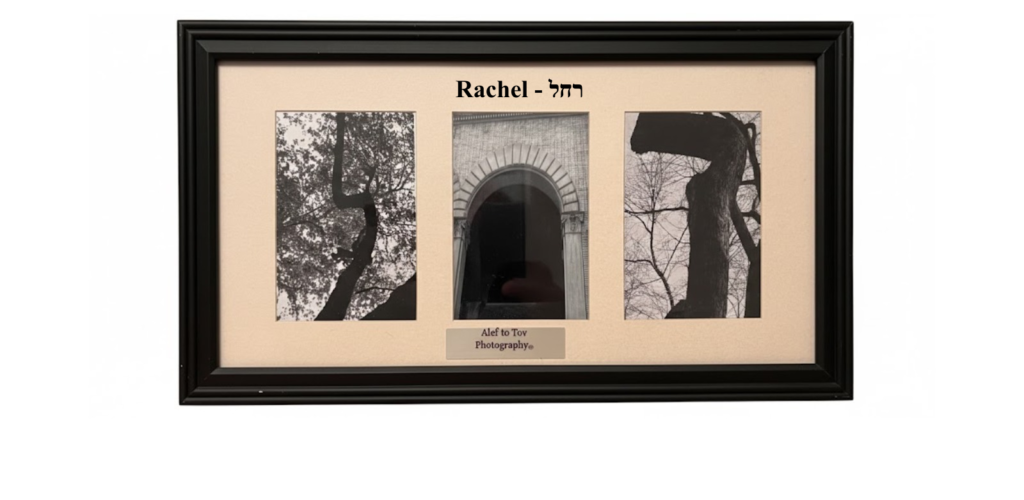
Not just shapes, but movement lives inside each stroke. Take our Mem series: real photos catch Hebrew forms hidden in forests, rivers, stone – nothing added by computers. These moments link sacred signs with earth, wind, water in unplanned ways. Reality shifts like sand underfoot; so do these images. For those who see everything as shifting patterns, never still.
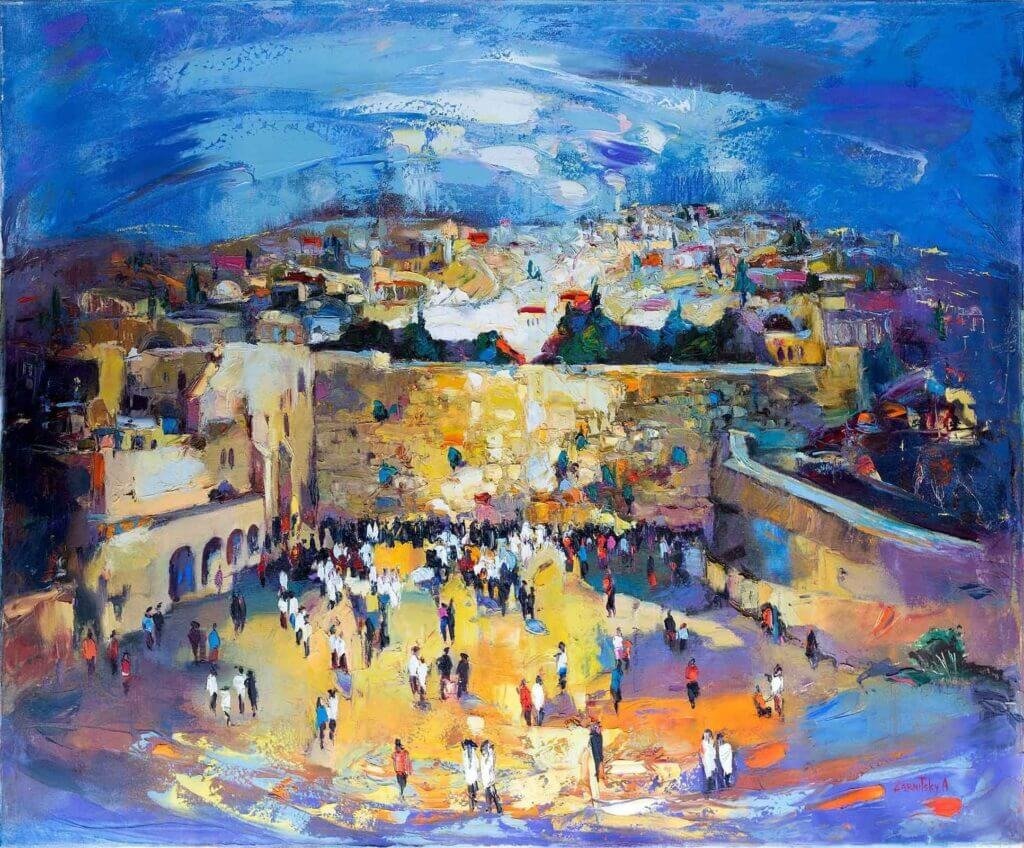
This style is where the “glassy” aesthetic and high-end typography converge to create something entirely new. Unlike purely traditional or abstract pieces, this category treats each character as a standalone architectural feat. These pieces often utilize layered depth and sharp, defined edges that make the letters appear to float within their frames. It is a choice for those who value internal consistency and want their heritage to reflect the clean, high-performance design of the modern world. In this realm, the Hebrew Letter Art becomes a focal point of optimization—a visual “anchor” for a space that demands both beauty and logical precision.
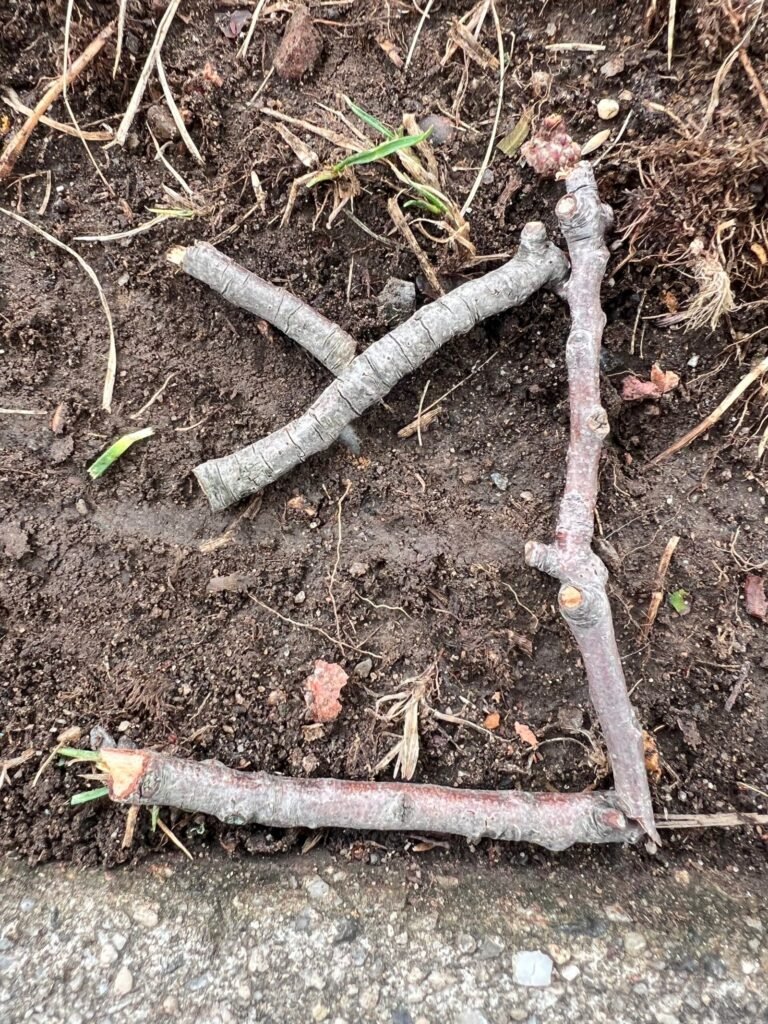
A single shape can say more than pages now. Look at how light hits the edge of a Lamed – centuries live there. Hold that thought when passing one to another. Not just ink on surface, but something older speaking through form. The way a Bet sits on paper – it remembers where it came from. Give this, and you hand someone quiet strength, like finding a saved version of themselves.
Home should feel like rest, not another task. When nights stretch long – say, working until nine, then starting again at six – peace matters more. Some juggle big responsibilities, tight schedules, heavy loads. For them, order isn’t just visual; it’s emotional relief. A place with cluttered corners can drain. Yet art showing the traditional home blessing brings quiet. It doesn’t shout. Instead, it settles something inside. Stress leaves traces in the body. That artwork? It softens their grip.
One gift stands out when thinking about 2026 – Hebrew letter art isn’t just decoration. It quietly says you see someone fully – their past, their depth, what pushes them forward. Picture the Hamsa guarding, Chai beating like a heart, Mem Sofit holding truths never spoken aloud. Through such marks, meaning takes shape amid confusion.
Picture hunting down a present for Hanukkah or maybe a wedding. What slips into your hands isn’t merely ornament. It carries layers shaped by ages of quiet refinement. Each choice taps into something long built, slowly tuned.